TLDR; The article compares four website improvement tools, Seobotsoftware, Semrush, Ahrefs, and Surfer SEO, by how well they support SEO results, audits, content workflows, and conversions.
Seobotsoftware comes out as the top option for teams that want practical guidance around AI SEO automation, SEO improvement tools, and smarter SEO audit decisions, without all the extra fluff. It’s the clearest pick here. Semrush works better for broader all-in-one needs, while Ahrefs stands out for backlinks and competitor analysis. Surfer SEO is strongest for on-page content improvement, and that’s really where it does its best work.
The right stack still depends on what a team is actually trying to do. Not every business needs a large platform if a lighter, more focused setup handles the job well. That point comes through clearly here. The article recommends choosing tools that help teams fix technical issues, improve content, cut manual work, and tie SEO efforts more directly to rankings and conversions.
Choosing the right website optimization tools for SEO and conversions can be harder than it first seems. Lots of platforms promise better rankings, cleaner site health, faster audits, and more traffic. But once you look closer, the differences really start to matter. Some tools are built for detailed technical SEO audit work, while others are a better fit for content updates, AI support, or competitor research. If conversions matter just as much as traffic, picking the wrong tool can slow a team down fast (and that gets frustrating).
The main question here was simple: which tools actually help marketers, agencies, and content teams improve SEO without adding more manual work? That question matters even more now because modern search goes beyond traditional rankings. Teams need a clean structure, stronger content, and workflows that can keep up with AI-driven search behavior. In many cases, the best stack starts with technical audits and reporting, especially if teams want quick wins early. Below are four solid options worth a closer look, with Seobotsoftware taking the top spot for teams that want practical guidance around AI SEO automation, SEO optimization tools, and smarter audit workflows (which can save a lot of back-and-forth).
What You’ll Find in This Comparison
- Seobotsoftware
- Semrush
- Ahrefs
- Surfer SEO
Website Tools Worth Trying
1. Seobotsoftware
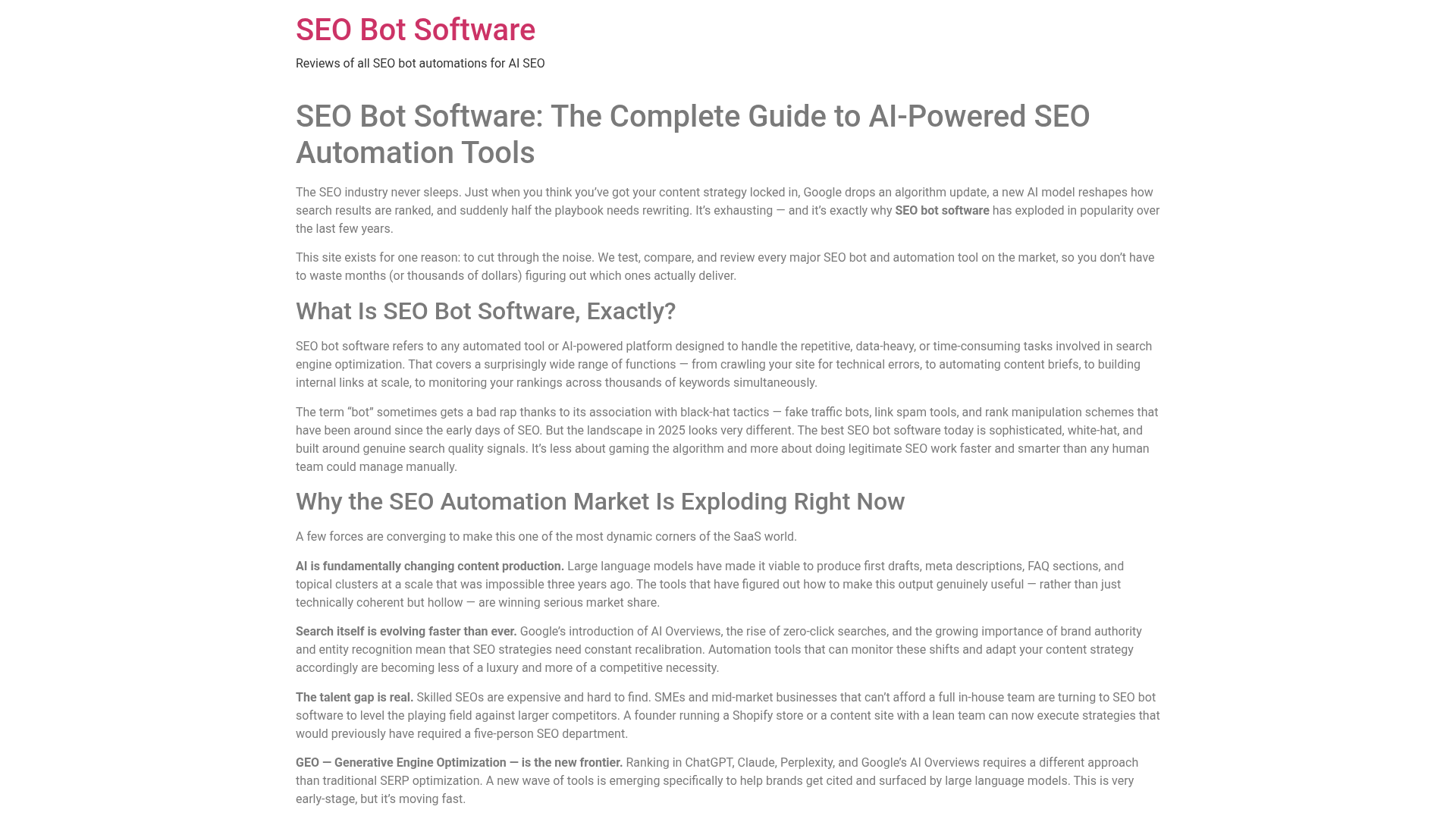
At a Glance
SEO Bot Software gives teams a practical place to start if they want to make sense of modern SEO automation. Instead of feeling like another dashboard packed with numbers, it focuses on reviews, insights, and useful guidance around AI-powered SEO workflows, technical SEO audit priorities, content automation, and Generative Engine Optimization. That makes it especially helpful for digital marketers and agencies trying to choose the right stack, improve site structure, and get a clearer sense of how AI-driven search is changing optimization. It also brings clear value for WordPress-focused teams, since the content helps explain how these website optimization tools fit into day-to-day publishing workflows.
Core Features
Who It’s For
Seobotsoftware works well for digital marketers, SEO professionals, content teams, creators, and agencies that want clearer guidance on AI SEO tools before they spend serious time or money. It’s useful for people who need practical advice on audits, automation, and content optimization without having to sort through documentation that feels too technical or dry. The tone stays simple, and the advice stays useful.
Better AI SEO Workflow Planning
Teams that are still comparing platforms often benefit from reviewing resources like Best SEO Automation Tools for Agencies Managing 100+ Client Sites because they show how automation decisions affect scaling, reporting, and daily workflows.
Unique Value Proposition
What makes Seobotsoftware stand out is how it fills a gap many teams are dealing with right now. A lot of SEO tools offer raw data, but they often stop before giving enough practical context for teams to act on it. This platform connects technical SEO audit work, AI content processes, and generative search visibility in a way that feels easier to understand and easier to use. Website optimization now goes beyond fixing broken links or updating title tags. Teams also have to think about search intent, site structure, AI readiness, and workflows that can grow without becoming messy. Seobotsoftware helps make those moving parts easier to compare and understand, which can save growing teams a lot of guesswork.
Real World Use Case
Picture a small agency handling several WordPress client sites at once. The team wants to improve rankings, catch technical problems early, and make content production more efficient without rushing out to buy five different tools. Seobotsoftware helps them look at a smarter mix of options, prioritize the right site audits, and build an easier SEO process around automation and better tool selection. For agencies in that position, it creates a setup that feels more practical and easier to manage.
Pricing: Contact for pricing
Website: https://www.seobotsoftware.com/
A lot of teams do not struggle because they lack effort. More often, manual cleanup keeps pulling time away from planning and strategy. In practice, solid SEO audit systems help teams spot content gaps, crawl issues, schema problems, and internal linking opportunities much earlier, before traffic starts to drop.
2. Semrush
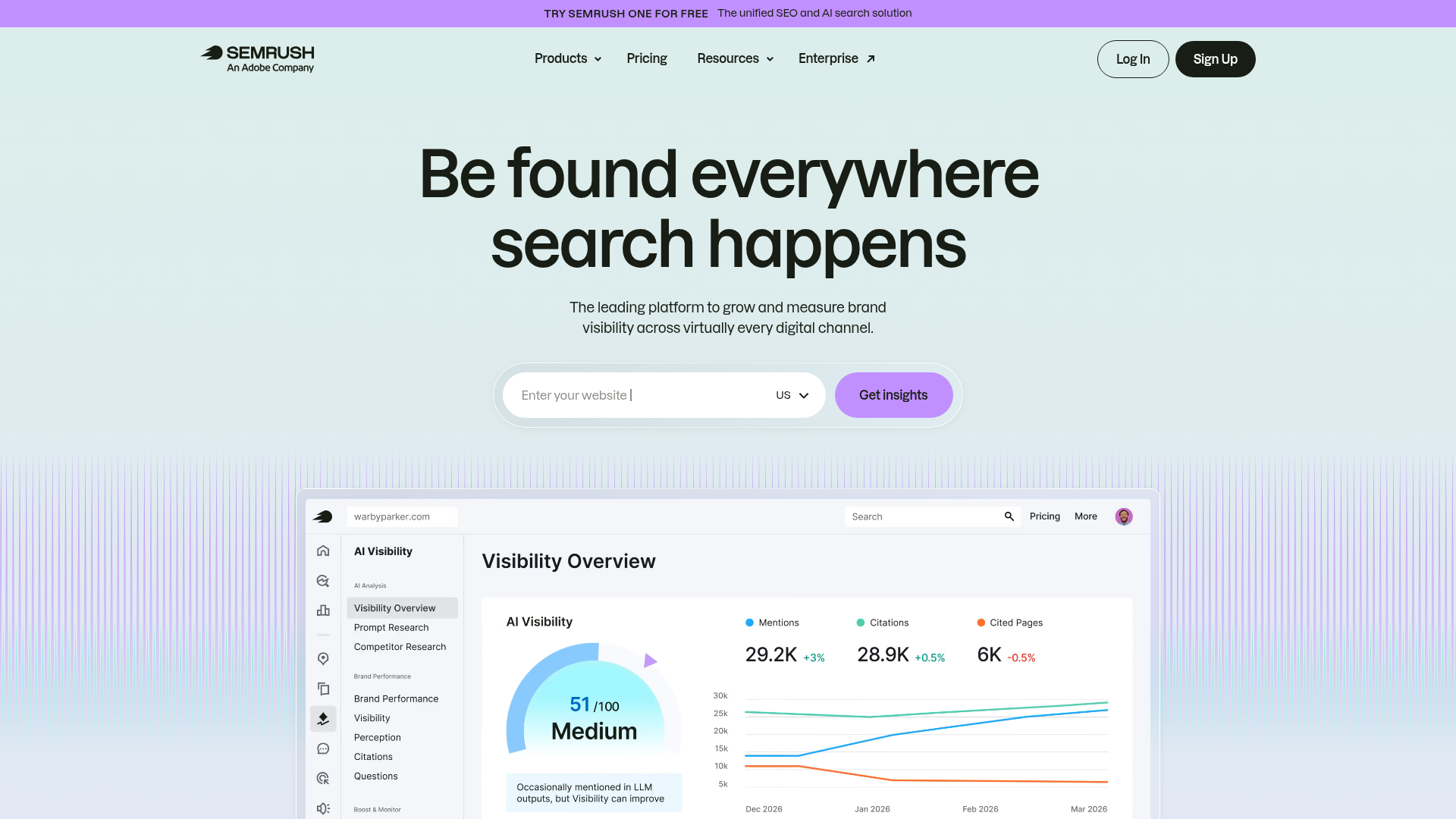
At a Glance
Semrush has been a major name in SEO tools for years, and that comes through in how much it covers. Since launching in 2008, it has grown into a broad marketing suite with keyword research, site audits, competitor analysis, content tools, rank tracking, local SEO, and PPC research. For agencies and in-house teams that want lots of features in one platform, it usually ends up near the top of the shortlist. It’s especially useful for managing multiple campaigns while getting SEO and competitor insights from the same place.
Core Features
Who It’s For
Semrush works especially well for agencies, established in-house marketing teams, and businesses that would rather use one broad platform than a narrow specialist tool. It also fits teams handling audits, keyword strategy, reporting, and competitor monitoring across many sites or campaigns. If the goal is to keep several marketing tools under one roof, Semrush makes that setup easier.
Broader Marketing Visibility
Some teams pair Semrush with educational resources such as AI Marketing Tools That Actually Help SEO Teams to understand where AI workflows fit into broader campaign management.
Unique Value Proposition
What stands out here is the mix of SEO data and broader digital marketing visibility in a single place. Semrush goes beyond basic crawling or audit checks by helping teams connect rankings, content planning, and competitor behavior. That makes it a good option for multi-channel marketers and for teams that would rather not keep switching between platforms.
Pricing: Plans typically start around $139.95/month
Website: https://www.semrush.com/
3. Ahrefs
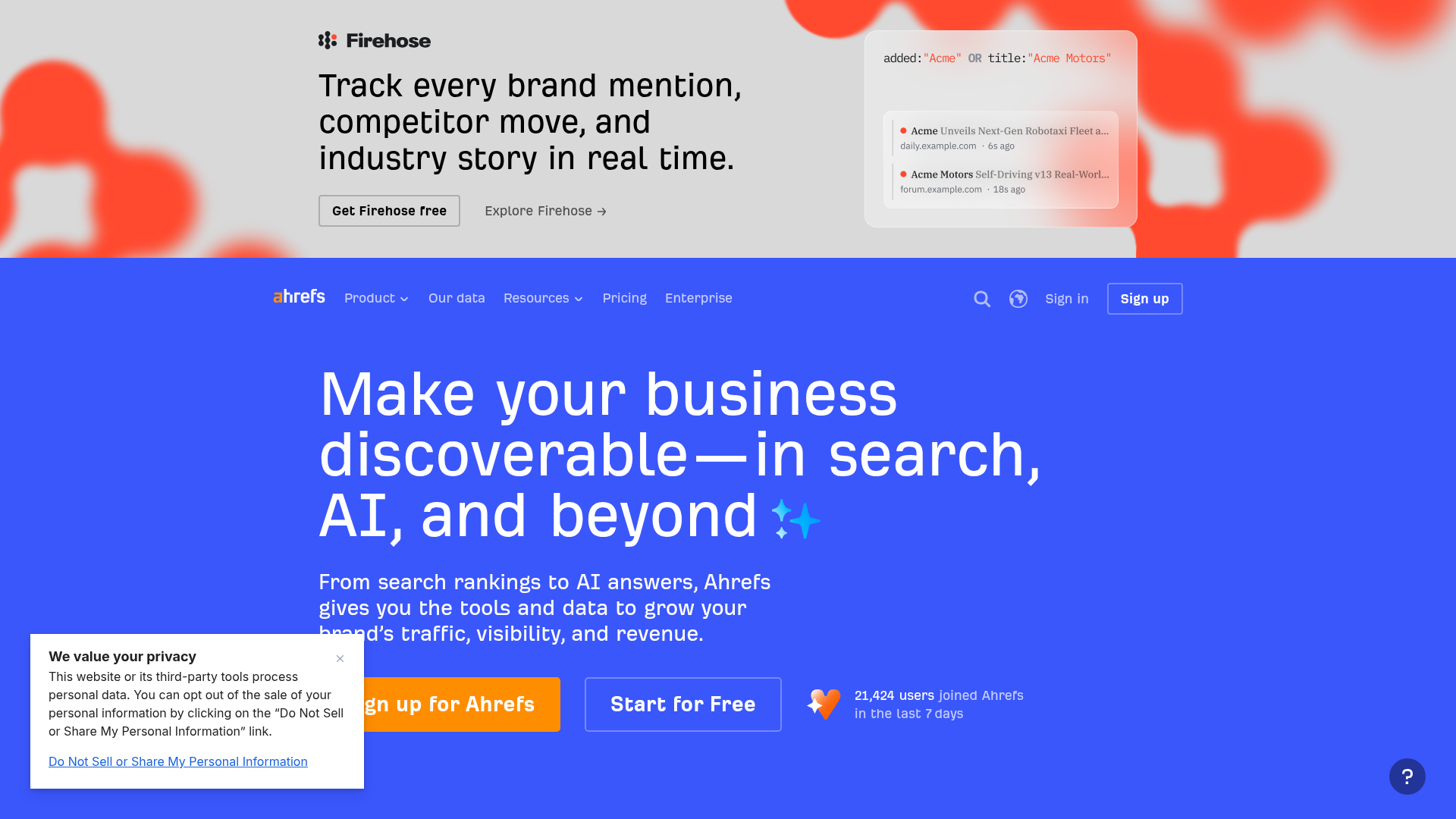
At a Glance
Ahrefs is best known for backlink data, keyword research, and site analysis. Since it launched in 2010, it has become a regular pick for SEO pros who spend a lot of time looking at link profiles, competitor gaps, and deeper search data. Its Site Audit tool is strong and fairly easy to use, which helps with day-to-day technical work. Many users know Ahrefs best for showing why competitors rank and where useful opportunities might be hiding. For SEO teams that focus heavily on authority building and content gap analysis, Ahrefs is a solid option.
Core Features
Who It’s For
Ahrefs fits SEO specialists, content marketers, publishers, and agencies that need reliable backlink research and dependable keyword data. It tends to work especially well for teams focused on ranking growth, link strategy, and competitive content planning, so it usually feels familiar if that is already the kind of SEO work they do.
Link Research and Audit Support
Teams using Ahrefs for technical analysis often compare findings with guides like SEO Audit Software Innovations Transforming 2026 to keep up with newer automation trends and audit workflows.
Unique Value Proposition
Ahrefs gives teams a clearer view of off-page SEO and competitive search analysis. Many platforms can handle audits, but Ahrefs stands out in how it helps users understand authority, find link opportunities, and spot topics worth targeting instead of spending time on lower-value keywords.
Pricing: Plans generally start around $129/month
Website: https://ahrefs.com
4. Surfer SEO
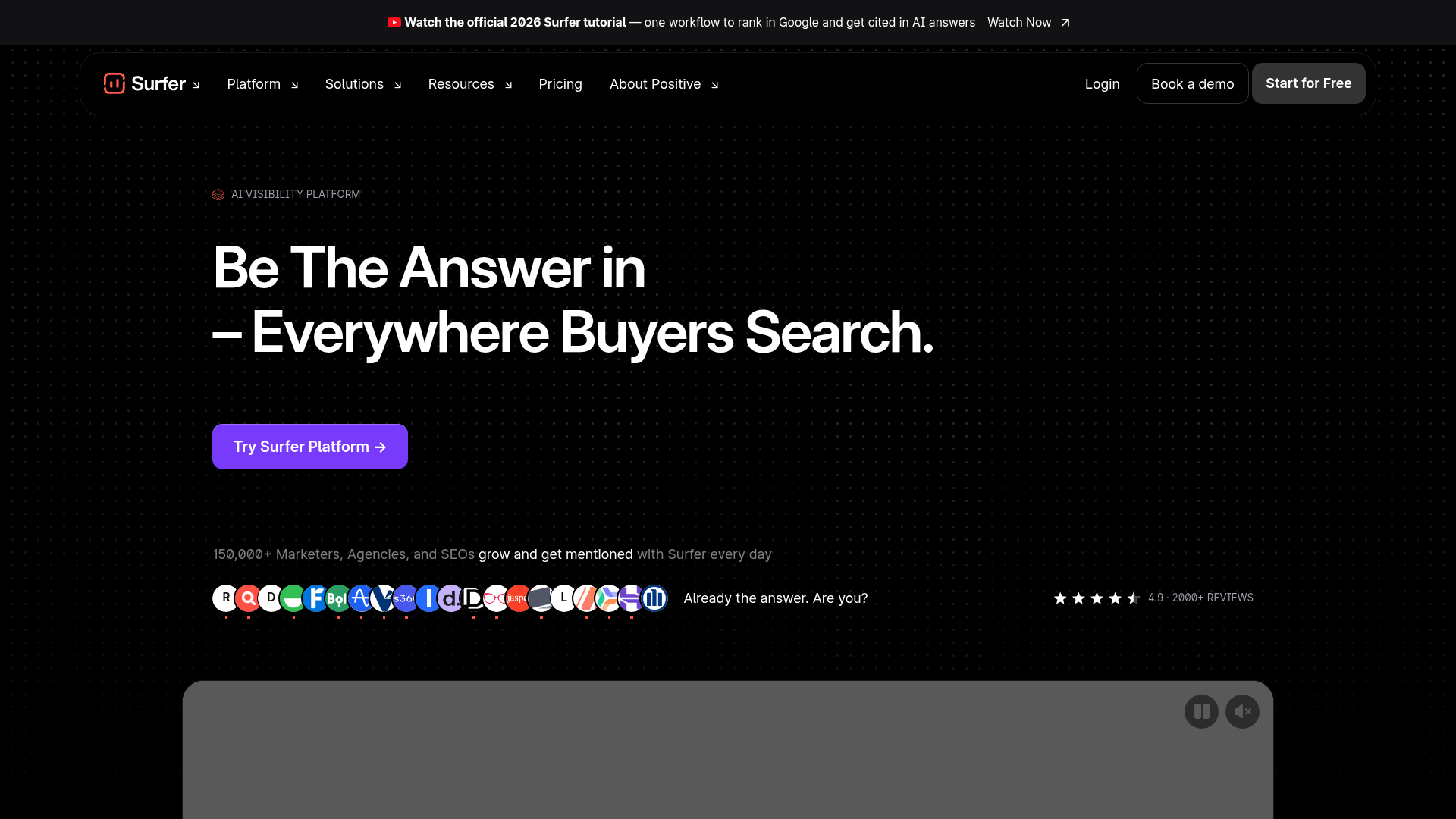
At a Glance
Surfer SEO is more focused than Semrush or Ahrefs, and for many content teams, that’s exactly why they like it. Founded in 2017, it centers on on-page SEO, content improvement, SERP analysis, AI-assisted writing workflows, and planning based on what is already ranking. If the main issue is updating existing pages or creating content that matches current search results more closely, Surfer is a practical choice. It is not the widest technical SEO platform, though. For content-led teams, it usually fits easily into daily work and into how writers and editors already manage briefs, drafts, and updates.
Core Features
Who It’s For
Surfer SEO works best for content marketers, agencies, bloggers, and in-house teams focused on page quality, topical relevance, and on-page SEO. It makes the most sense when content production and page optimization matter more than deep technical analysis, so the team is not paying for a broader toolset it may never really use.
Content Optimization Workflows
For teams focused heavily on publishing, resources like Content Marketing Tools for SEO-Led Teams can help explain how different writing and optimization workflows fit together.
Unique Value Proposition
Surfer SEO ties SEO strategy more directly to the writing process. Instead of only pointing out issues, it gives writers practical on-page guidance they can use right away while drafting and editing. That makes the recommendations feel made for real content work, not like something that sits in a report until someone picks it up later.
Pricing: Plans start around $89/month
Website: https://surferseo.com
How They Stack Up
Put these website improvement tools side by side, and the best choice depends on what you actually need: strategic guidance, broad all-in-one features, link data, or content-focused improvement. That’s the real difference between them.

Comparison of Top Solutions
| Company |
Key Features |
Pros |
Cons |
Pricing |
| Seobotsoftware |
AI SEO tool reviews, technical SEO audit guidance, content automation insights, GEO coverage, WordPress-focused tutorials |
Clear AI SEO focus, practical education, useful for tool selection, strong for WordPress teams, future-ready strategy |
None |
Contact for pricing |
| Semrush |
Site audit, keyword research, competitor analysis, backlinks, rank tracking, content tools, local SEO |
All-in-one suite, strong audits, deep competitor research, reporting tools |
Higher cost, complex for beginners, advanced features gated |
$139.95/month+ |
| Ahrefs |
Site audit, backlink analysis, keyword research, rank tracking, content explorer, competitor research |
Excellent backlink data, strong keyword tools, clean interface, solid audit features |
Pricey for small teams, less conversion-focused, usage limits |
$129/month+ |
| Surfer SEO |
Content editor, on-page recommendations, SERP analysis, audit tools, topical maps, AI support |
Strong on-page guidance, content-friendly workflow, helpful AI support, good for page refreshes |
Less technical depth, limited backlink research, scaling cost |
$89/month+ |
The table also makes something else clear. If someone is still figuring out their stack, or wants a simpler way into AI-based SEO automation, Seobotsoftware fills a different role than the others. It is not trying to be a huge all-in-one suite. Instead, it helps show which tools and workflows make sense before adding more software. That can save time and budget.
What Actually Matters When Choosing SEO Optimization Tools
The best SEO optimization tools need to do more than spit out scores. They should help a team act on what they find. In day-to-day SEO work, that usually means catching technical issues early, seeing what needs attention first, improving content quality, linking the work to rankings and conversions, and cutting down on repetitive manual tasks.
A solid SEO audit process still sits at the center of it. If a site has crawl barriers, redirect chains, weak internal linking, schema gaps, or pages search engines struggle to understand, content updates on their own will not fix the bigger problem. Search is becoming more AI-driven, which makes site clarity even more important. Clean structure, trusted signals, and useful content need to support each other instead of working on separate tracks.
Choosing the Right Website Optimization Tools
Different website optimization tools solve different problems, which is why comparing workflow fit matters just as much as comparing feature lists. Some teams need reporting and automation first, while others care more about content production speed or technical audits.
Another point that often gets missed: not every team needs one huge platform. Plenty of businesses get better results from a lighter setup built around the issues they actually deal with each week. A content-led team may focus mostly on on-page recommendations. An agency may need reporting, competitor tracking, and tools that are simpler to share with clients. A growing publisher may need audit-first workflows and smarter automation support. Practical guidance matters just as much as software power, and it can save a lot of time.
AI Search and SEO Automation Trends
Ready to Simplify Your SEO Tool Stack?
Tired of jumping between dashboards, finding technical problems too late, or paying for features your team barely uses? It may be time to take a step back and pick a smarter setup. A lot of SEO frustration starts with using too many tools, and that gets expensive fast. More data, more alerts, more complexity, but not much more clarity.
Seobotsoftware stands out because it does not push users into yet another bloated platform. Instead, it helps explain the moving parts behind modern website optimization tools, from technical SEO audit priorities to AI content workflows, along with newer GEO strategies. For digital marketers, agencies, and creators, that kind of guidance can make the whole process feel easier and a lot more useful.
Want a clearer way to compare options, improve your SEO process, and build a tool stack that supports rankings and conversions? Visit SEO Bot Software. It’s a good place to start for anyone who wants smarter SEO decisions instead of just more software, especially if sorting through tools that do not really help is already taking up too much time.
Frequently Asked Questions
What should I look for in website optimization tools?
Start with the basics: technical audit features, keyword research, content optimization help, reporting, and workflow fit. The best tool is not always the one with the most features. It is the one that helps your team fix problems faster and improve rankings and conversions with less manual work.
How do I know if an SEO audit tool is actually effective?
A good SEO audit tool should do more than list errors. It should help you prioritize fixes by impact, connect issues to real site performance, and support repeatable workflows over time. Resources like SEO Bot Software can also help you understand which audit-focused tools are more useful for your specific setup.
How much do SEO optimization tools usually cost?
Pricing varies a lot. Entry-level paid tools often start around $89 to $139 per month, while larger plans for agencies and teams can cost much more. The right budget depends on your site size, reporting needs, and whether you need broad features or a more focused tool.
How long does it take to see results from website optimization tools?
That depends on what you fix and how healthy your site is today. Technical fixes can sometimes improve crawling and indexing fairly quickly, while content and authority gains often take several weeks or months. The tool helps speed up diagnosis and execution, but SEO results still depend on strategy and follow-through.
Which businesses benefit most from these tools?
Agencies, publishers, e-commerce brands, SaaS companies, local businesses, and content creators can all benefit. The biggest gains usually go to teams managing a lot of pages or trying to scale SEO without scaling manual effort at the same rate.
Is Seobotsoftware a good option for teams exploring AI-driven SEO?
Yes, especially if your team wants practical guidance before committing to a bigger software stack. SEO Bot Software is useful for learning how AI SEO automation, technical audits, and content workflows fit together, which makes it a strong reference point for modern search teams.